
What is an air compressor? Components, principle and common types
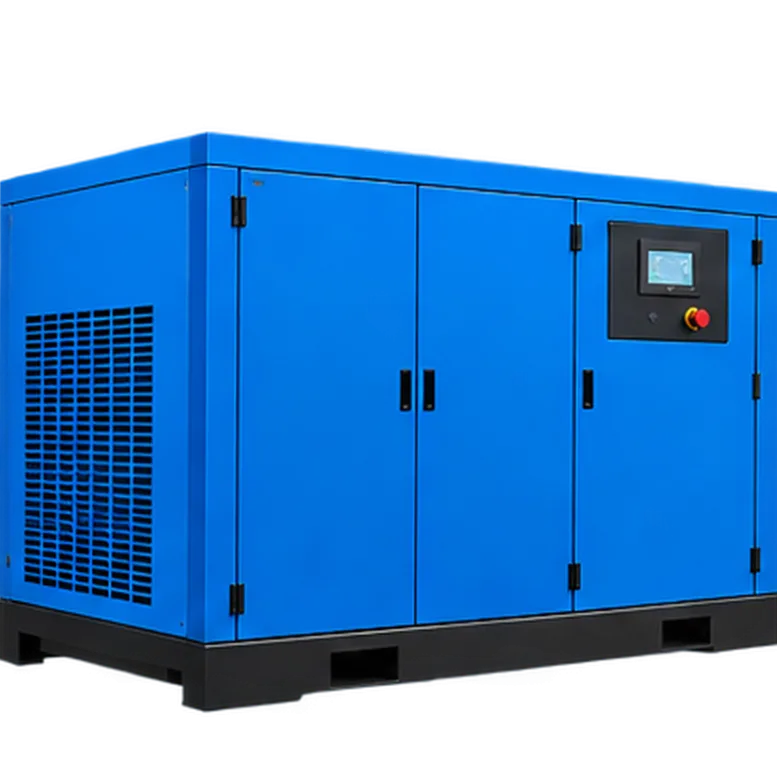
Learn what an air compressor is, what parts it has, how it works and which types are common in factories.
What is an air compressor?
An air compressor draws in ambient air, compresses it to a higher pressure and sends it to a storage and distribution system. Compressed air is an important energy source in industrial production, used for machinery, pneumatic tools and automated lines.
Basic components of a compressed air system
A typical compressed air system includes:
- Air compressor: produces the compressed air.
- Receiver tank: stores air and stabilises pressure.
- Air dryer: removes moisture from the compressed air.
- Filters: remove dust, oil and impurities.
- Pipework and points of use: distribute air to equipment.
How it works
The compressor draws air through an inlet filter into the compression chamber, where its volume is reduced and its pressure rises. The compressed air is then cooled, treated and sent to the receiver. When the pressure reaches the set point, the controller adjusts or stops the machine according to the operating mode.
Common types of air compressor
Screw air compressors
Compress air with two meshing screws, run quietly and continuously, and are typically used in factories with large, steady air demand.
Piston air compressors
Compress air with reciprocating pistons. Simple in construction, they suit workshops and small to medium capacity needs.
Tank-mounted air compressors
Combine the compressor and receiver on one frame – compact and easy to install.
Choosing the right air compressor
Define the air flow, working pressure, operating pattern and air quality requirements. Contact S-STAR and our engineers will recommend a configuration for your factory.
